 Experts' Choice Award
 Basilica di Santa Maria Maggiore
8 expert reviews
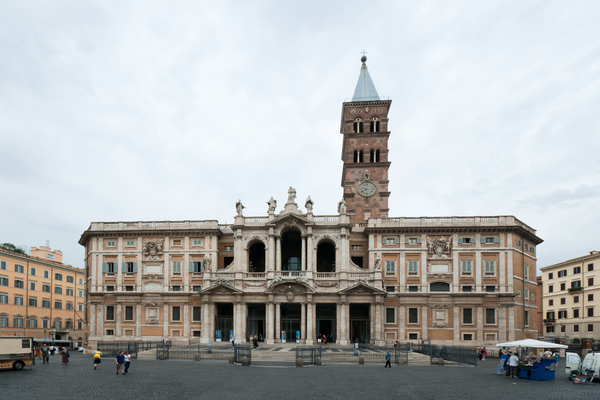
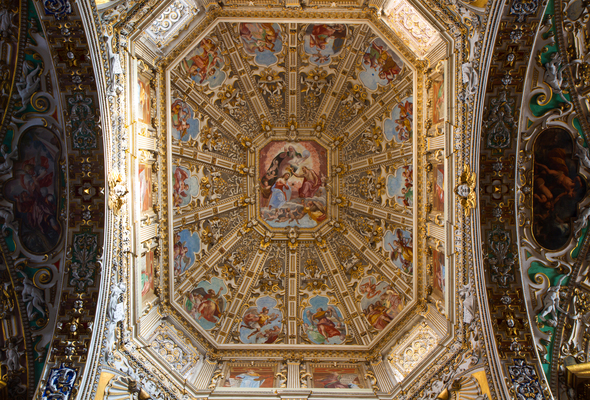
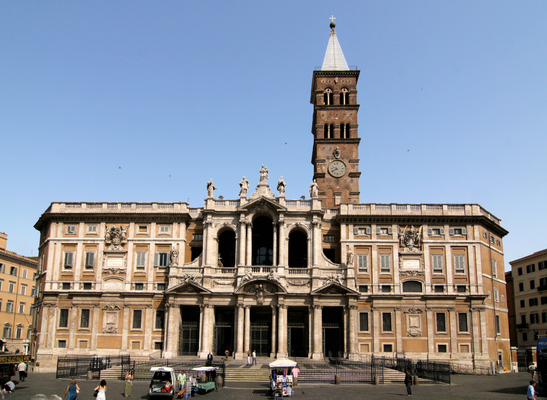
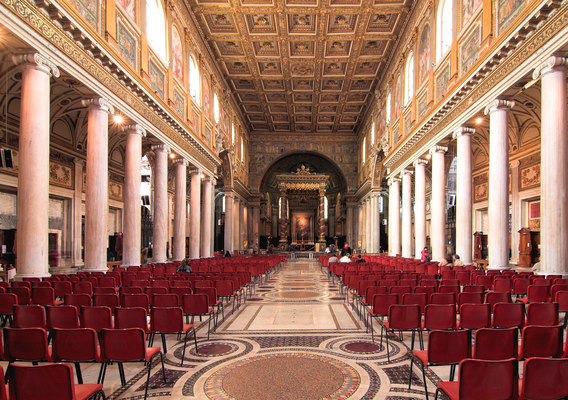
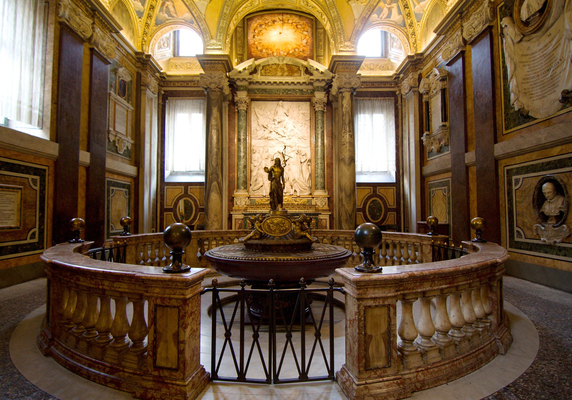
“Contains almost a millennia's worth of Italian architecture, from an 18th-century baroque exterior to the 5th-century mosaics lining its interior arch.”
– Afar Magazine
 Fodor's
 "Santa Maria Maggiore is one of the oldest churches in Rome, built around 440 by Pope Sixtus III." Full review
 Lonely Planet
Top choice
"One of Rome's four patriarchal basilicas, Santa Maria was built on the summit of the Esquiline Hill in the 5th century." Full review
 Travel + Leisure
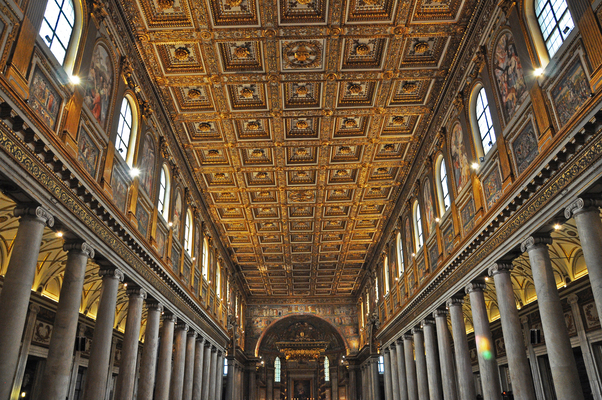
 "Originally built in the fifth century, Santa Maria Maggiore contains one of the best preserved Byzantine interiors in Rome." Full review
 Time Out
 "Behind this blowsy Baroque façade is one of the most striking basilica-form churches in Rome." Full review
 Frommer's
 "This great church, one of Rome's four major basilicas, was built by Pope Liberius in A.D. 358 and was rebuilt by Pope Sixtus III from 432 to 440." Full review
 Let's Go
 "Located just minutes away from Termini Station, Basilica di Santa Maria Maggiore is an enormous basilica dedicated to everyone’s favorite virgin (no, not you)." Full review
 Michelin Guide
 3 Stars
"Founded by Pope Sixtus III (432-440), this is one of Rome's four great basilicas, and has been remodelled many times down the centuries." Full review

